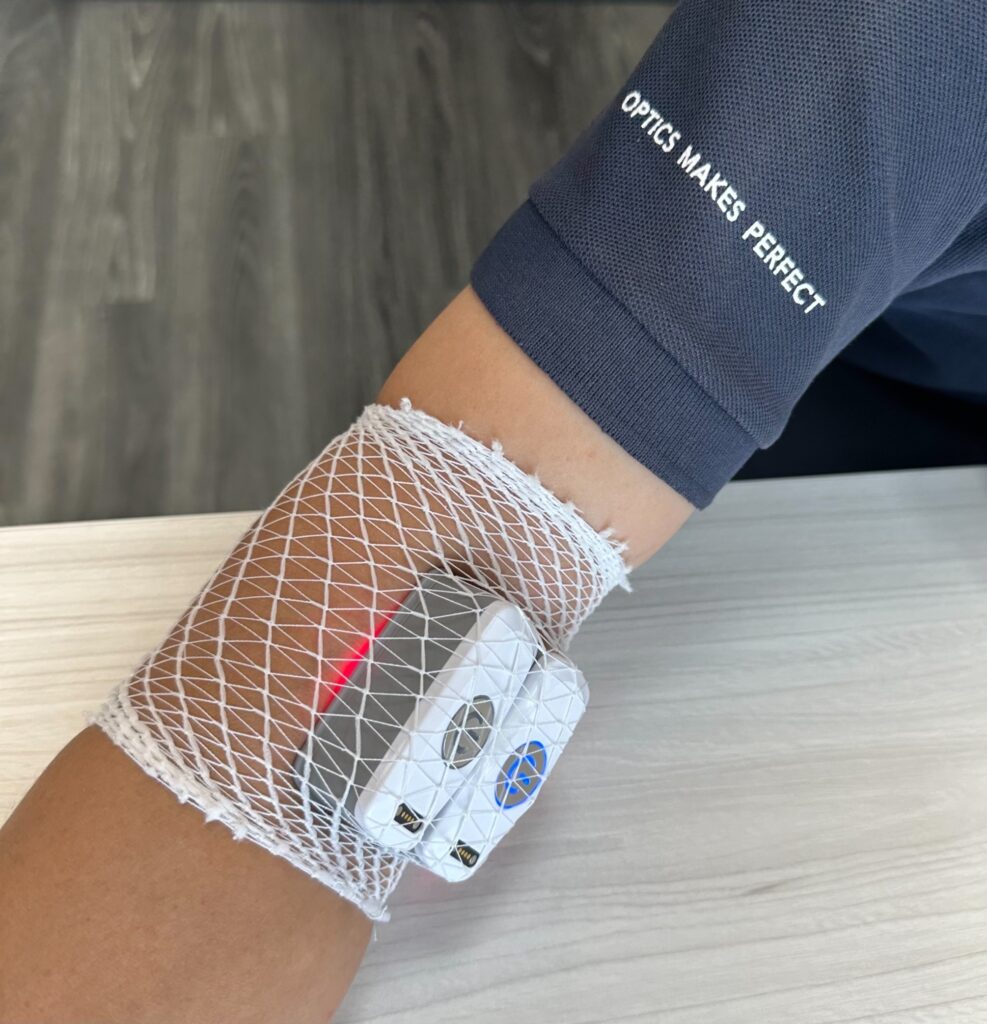
Pain Relief

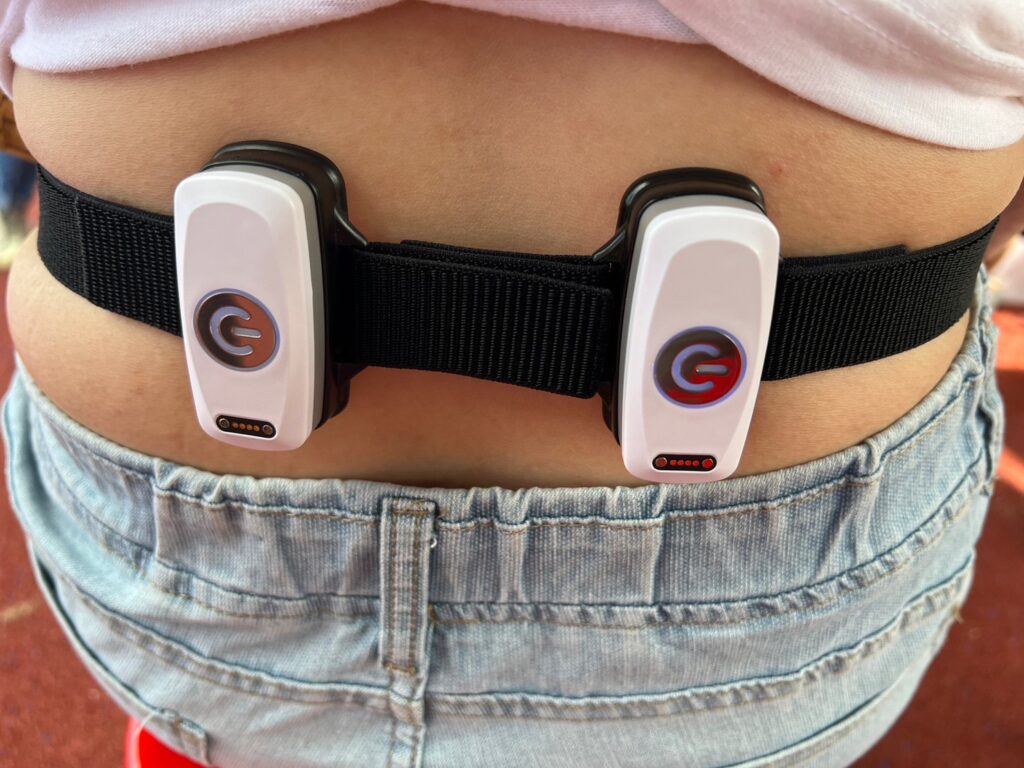
The RayFocus 2 can be readily used at home, but can also easily be used at a work-out session, sports arena, in the field, at the beach and even at work! It is very easy to attach to the affected part of the body and will sit comfortably in most positions. Once switched on, it will work its magic for about 15 minutes, which is sufficient for a session. Full instructions and cautionary information is supplied with the system.
Some common conditions that can be easily treated at home with Low Level Laser Therapy (LLLT) include:
Muscle Pain and Stiffness
LLLT can help reduce soreness and stiffness in muscles caused by overuse, injury, or strain.
Joint Pain (e.g., arthritis)
People with arthritis or joint inflammation often use LLLT to reduce pain and improve joint function.
Back and Neck Pain
LLLT is commonly used to relieve discomfort in the lower back or neck, especially for chronic pain.
Sports Injuries
Strains, sprains, and other soft tissue injuries from sports can heal faster with laser therapy, reducing pain and swelling.
Fibromyalgia
LLLT can help manage widespread pain and fatigue in fibromyalgia patients by targeting painful areas and improving circulation.
Tendonitis
Conditions like tennis elbow or Achilles tendonitis can benefit from laser therapy to ease inflammation and speed healing.
Sciatica
People suffering from sciatic nerve pain often use LLLT to alleviate discomfort and promote healing of the affected nerve and surrounding tissues.
Post-Surgical Recovery
After surgery, LLLT can help reduce swelling, promote tissue healing, and alleviate pain in the recovery process.
Carpal Tunnel Syndrome
LLLT can help reduce pain and inflammation associated with carpal tunnel syndrome, making it a popular home treatment.
Plantar Fasciitis
This common cause of heel pain can be treated with LLLT,
helping reduce inflammation and promote healing of the fascia.
These conditions often respond well to LLLT when used correctly, providing a non-invasive way to manage pain and promote healing at home.
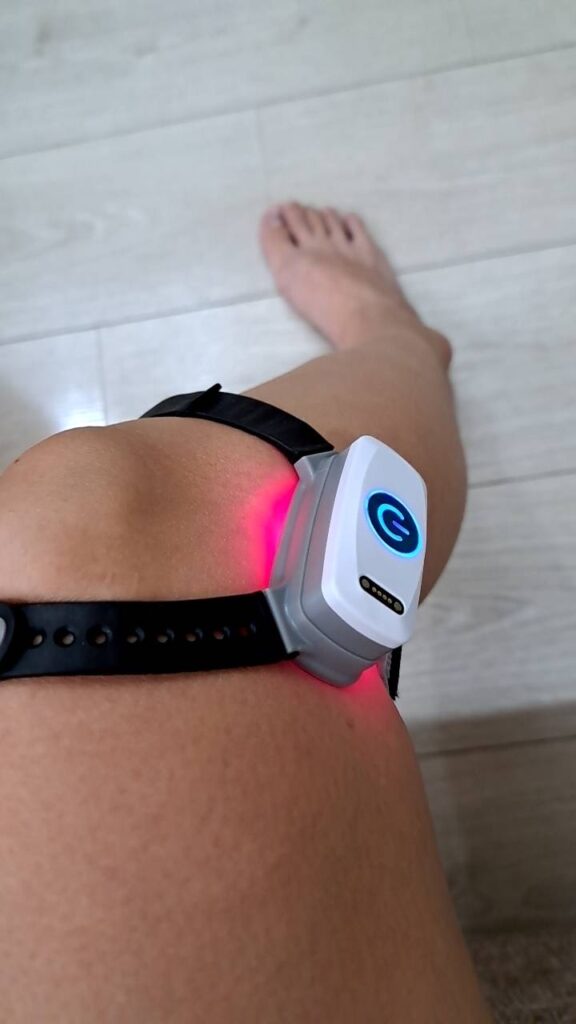
Sports Injury to the Knee
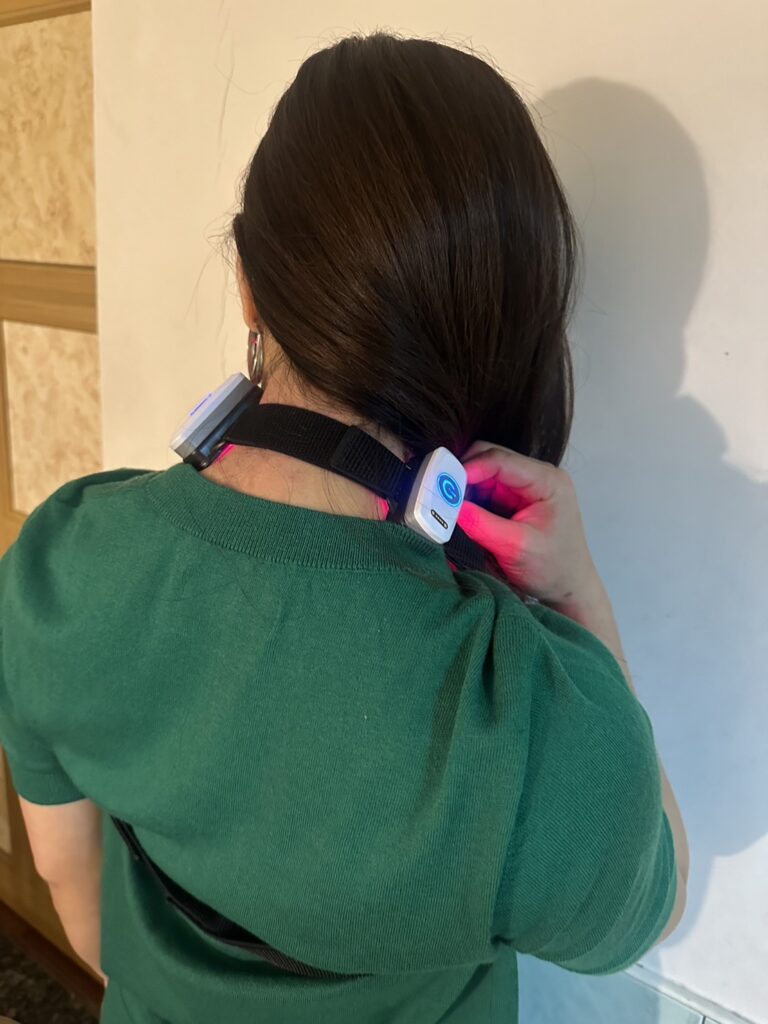
Chronic Neck Pain
Soft Tissue Sports Injury
Here are some less common conditions that can be treated with Low Level Laser Therapy (LLLT) at home:
Herpes Simplex (Cold Sores)
LLLT has been shown to reduce the severity and duration of cold sores by speeding up healing and decreasing viral activity.
Chronic Fatigue Syndrome (CFS)
LLLT is sometimes used as a supportive
therapy for fatigue, helping to enhance cellular repair and energy levels.
Burns
For minor burns, LLLT can help reduce pain and speed up the healing process by promoting tissue regeneration.
Wounds and Skin Conditions
Minor wounds, cuts, or skin issues, like ulcers, can heal faster with LLLT, as it promotes tissue repair.
Neuropathy
LLLT may provide relief from pain and discomfort caused by nerve
damage, such as in diabetic neuropathy.
Headaches
Some people use LLLT to manage chronic headaches, including migraines, by applying the therapy to trigger points. Extreme care is advised here.
Acne and Skin Conditions
LLLT can help reduce inflammation and promote skin healing, making it useful for treating acne, eczema, and psoriasis.
Temporomandibular Joint (TMJ) Disorders
People with jaw pain or dysfunction related to TMJ issues may find relief using LLLT to reduce inflammation in the jaw area.
Herpes Simplex (Cold Sores)
LLLT has been shown to reduce the severity and duration of cold sores by speeding up healing and decreasing viral activity.
Frozen Shoulder (Adhesive Capsulitis)
LLLT can help improve mobility and
reduce pain in the shoulder, aiding recovery from frozen shoulder.
Chronic Fatigue Syndrome (CFS)
LLLT is sometimes used as a supportive therapy for fatigue, helping to enhance cellular repair and energy levels.
Wounds and Skin Conditions
Minor wounds, cuts, or skin issues, like ulcers, can
heal faster with LLLT, as it promotes tissue repair.
Each of these conditions may benefit from the healing effects of LLLT when used consistently and as recommended, making it a versatile tool for at-home treatments.
Chronic Lower Back Pain
Carpel Tunnel Syndrome
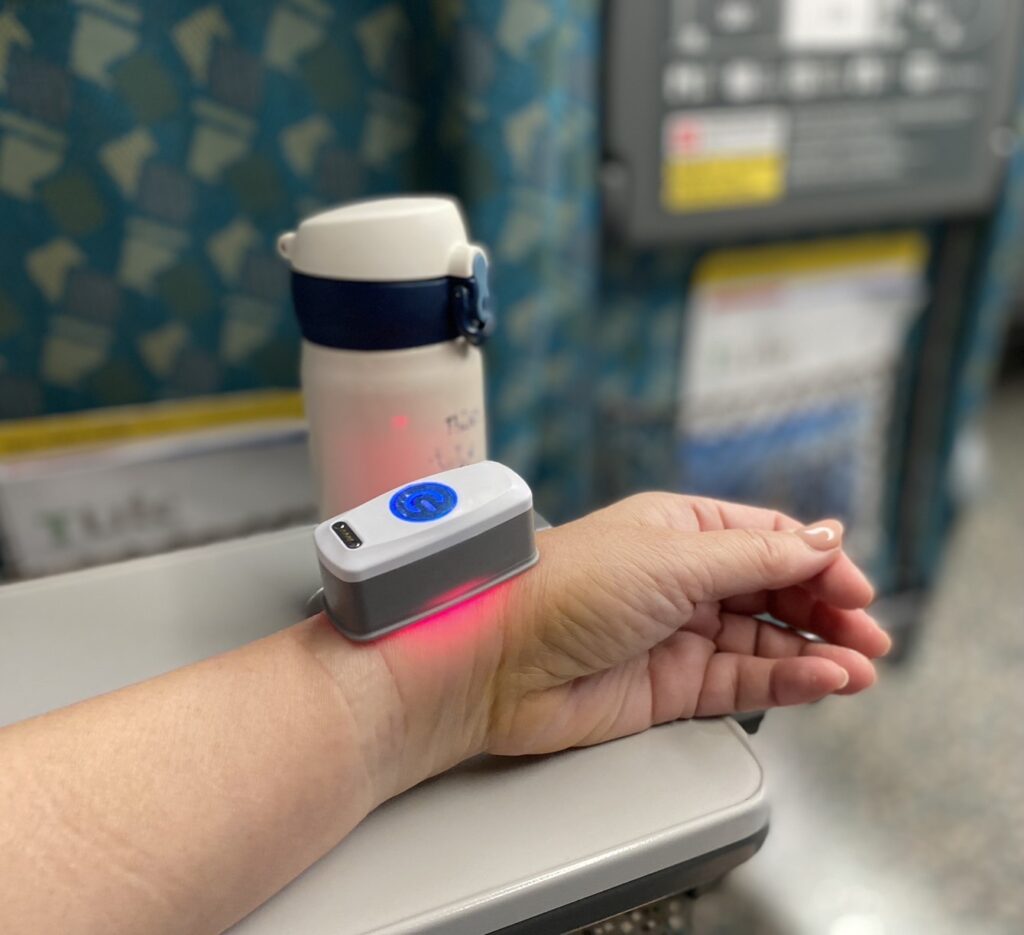
Arm Muscle Strain Injury